


Overview
There are plenty of internet memes that make sense once you stare at them long enough.
Six-seven is not really one of those memes.
It is two numbers. Sometimes written as 6-7, sometimes 67, sometimes shouted like a tiny sports chant, sometimes paired with a weird up-and-down hand gesture, and often delivered with the confidence of someone who absolutely knows it is annoying you.
By late 2025, it had become one of those phrases that adults kept trying to decode, kids kept repeating, teachers kept banning, and everyone online kept pretending they were either above it or secretly laughing at it.
The funny thing is: six-seven doesn’t really mean anything.
That’s also why it worked.
- FIRST SEEN December 2024
- PLATFORMS Instagram, TikTok, X (Twitter), YouTube
- POPULARITY Broke out in early 2025 through LaMelo Ball basketball edits; became a major Gen Alpha/TikTok slang meme by mid-to-late 2025; Dictionary.com named “67” its 2025 Word of the Year; spread into schools, sports events, political jokes, South Park references, and even a Pope Leo XIV TikTok moment in May 2026.
- FIRST KNOW CREATOR Skrilla — rapper behind “Doot Doot (6 7),” the track that supplied the phrase; early viral meme usage was boosted by LaMelo Ball edits and Overtime Elite player Taylen “TK” Kinney.
- HASHTAGS #67, #SixSeven, #6-7, #6Seven, #DootDoot, #Skrilla, #LaMeloBall, #67Kid, #GenAlpha, #Brainrot
So, What Was The Six-Seven Meme?
The six-seven meme was a viral slang phrase and gesture that became huge across TikTok, Instagram Reels, sports edits, school corridors, and eventually mainstream media in 2025.
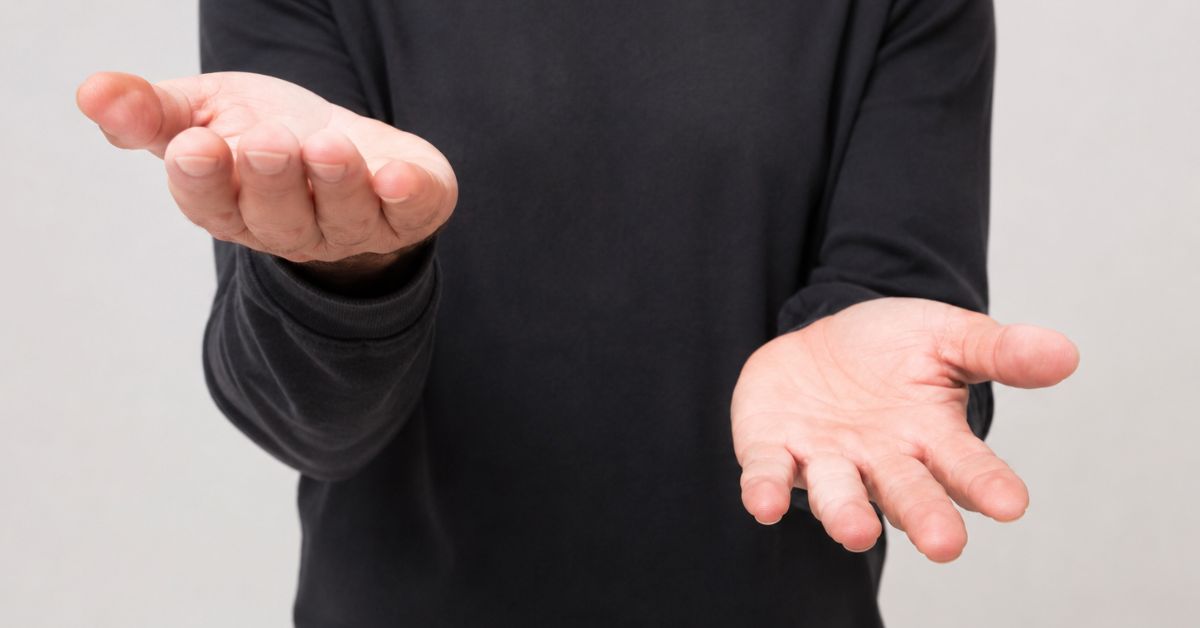
At its simplest, someone says “six-seven” — usually in a stretched, goofy, performative way — while moving their hands up and down like they’re weighing two invisible options.
That’s about it.
There is no clean translation. It is not exactly “good.” It is not exactly “bad.” It is not exactly “maybe.” Sometimes people use it like a shrug. Sometimes it means “so-so.” Sometimes it means “look, the numbers six and seven appeared somewhere.” Most of the time, it is just a noise people make because other people recognise the noise.
Merriam-Webster later defined “six seven” as a nonsensical expression used especially by teens and tweens, connected to a rap song and a 6-foot-7 basketball player. Which is probably as close as anyone is going to get without making it sound more academic than it deserves.
That vagueness was the whole engine.
The joke was not “here is a clever punchline.”
The joke was “you either get why this is funny, or you’re standing there looking tired.”
Where Six-Seven Came From
The phrase came from “Doot Doot (6 7)”, a track by Philadelphia rapper Skrilla.
The song was unofficially circulating in December 2024, then officially released on February 7, 2025. The repeated “6-7” lyric caught on fast, especially when people started using it as audio for basketball edits.
The lyric itself sits in a darker drill rap context, and people have tried to figure out whether 6-7 refers to:
- 67th Street in Philadelphia
- 67th Street in Chicago
- a possible police code reference
- something more personal to Skrilla
- or just a phrase that sounded right in the track
Skrilla has not exactly rushed to pin it down. In an interview clip, he said people have their own meanings for it because he never gave it one fixed meaning.
Which, accidentally or not, made it perfect meme material.
The internet loves a phrase with just enough shape to repeat, but not enough meaning to kill the joke.
Examples
The LaMelo Ball Connection
The six-seven meme probably would have stayed as a song lyric if basketball edits had not grabbed it by the collar.
The big link was LaMelo Ball, the Charlotte Hornets guard who is listed at 6 feet 7 inches tall. Suddenly, the phrase “6-7” had a visual hook: slick clips of LaMelo throwing passes, dribbling through defenders, or generally looking like someone built for highlight edits.
By January and February 2025, TikTok and Reels were filling up with basketball clips using Skrilla’s track, especially LaMelo edits. Know Your Meme traces the phrase’s early viral rise to that moment, when the song became tied to NBA content and the height joke practically wrote itself.
It was dumb in exactly the right way.
LaMelo is 6’7”.
The song says 6-7.
That is apparently enough.
And honestly, for a sports meme, that is almost overqualified.
The “Mr. 6-7” Era
Another key figure in the spread was Taylen “TK” Kinney, an Overtime Elite basketball player who became heavily associated with the phrase after using it in social content.
One viral moment involved him rating a Starbucks drink with a casual “six, seven”, and from there he became linked with the meme enough to earn the nickname “Mr. 6-7.” Reports later noted that Kinney’s repeated use of the phrase helped push it deeper into basketball internet culture.
That matters because six-seven was never just a TikTok audio. It became a kind of sports-adjacent kid language.
A few things helped it spread:
- Basketball edits already move fast on TikTok and Instagram.
- The phrase was short enough to shout anywhere.
- The gesture made it easy to copy.
- Nobody had to understand it to use it.
- Adults finding it annoying made it funnier.
That final point did a lot of work.
The 67 Kid And The Basketball Game Moment
One of the moments that pushed six-seven from “sports edit audio” into full meme territory was the rise of the so-called “67 Kid.”
In March 2025, a boy named Maverick Trevillian became associated with the meme after a video showed him yelling the phrase at a basketball game while doing the excited hand gesture.
That kind of clip is basically meme petrol.
It had everything:
- a loud kid
- a public setting
- a phrase that sounds stupid out of context
- a gesture people could imitate
- enough awkward energy to make it reusable
From there, six-seven started becoming less about Skrilla, less about LaMelo, and more about the act of saying six-seven itself.
That is usually when a meme becomes dangerous.
Once the source stops mattering, the phrase can go anywhere.
Why Kids Became Obsessed With It
The six-seven meme made a lot more sense once it reached schools.
Not because the phrase became smarter there. It did not.
But because it turned into the perfect classroom disruption: harmless, repeatable, impossible to fully punish without making it funnier.
A teacher says, “Turn to page 67.”
The room reacts.
A maths problem includes 6 and 7.
The room reacts.
Someone says, “You have six or seven minutes.”
The room reacts.
The Wall Street Journal reported that teachers were avoiding grouping students in sixes or sevens, asking them to turn to page 67, or giving tasks that involved those numbers because students would immediately start yelling the phrase. One teacher compared it to throwing catnip at cats.
That is when six-seven stopped being just a meme and became a minor workplace hazard for maths teachers.
Six-Seven In UK Classrooms
The meme also made its way into UK schools, where it became one of those playground trends that spreads faster than any official school email can explain it.
A Teacher Tapp survey reported by The Guardian found that around 80% of secondary teachers and 50% of primary teachers surveyed had encountered the phrase. The report described it as especially annoying for maths teachers, for obvious numerical reasons.
This is where six-seven gets very funny in a very British way.
Because once a meme is being discussed in staff rooms, school newsletters, and national newspapers, it has already won.
Teachers were left trying to explain why two numbers had become disruptive. Students were delighted because the adults had noticed. Parents were asking what it meant. The answer, usually, was: “Nothing, really.”
Which is exactly the sort of answer that makes adults even more annoyed.
The Keir Starmer School Visit
By November 2025, six-seven had reached the rare point where a sitting Prime Minister could accidentally become part of the bit.
During a visit to Welland Academy in Peterborough, Keir Starmer was reading with a pupil who pointed out that they were on page 67. Starmer joined in with the meme’s hand gesture, which was awkwardly perfect because the school had reportedly discouraged pupils from doing it. He later apologised to the headteacher and joked, “I didn’t start it, Miss.”
That moment says a lot about the meme’s cultural life cycle.
First, kids use it.
Then teachers hate it.
Then newspapers explain it.
Then politicians try it.
Then everyone under 15 pretends it is already dead.
A clean, brutal timeline.
Dictionary.com Made 67 Its Word Of The Year
The strangest official milestone came in October 2025, when Dictionary.com named “67” its Word of the Year.
This upset exactly the kind of people you would expect it to upset.
Dictionary.com described 67 as a term whose power came partly from its refusal to settle into a single meaning, calling attention to how it worked as an in-group signal as much as a word.
And to be fair, that is probably the best argument for why it mattered.
Not because six-seven was profound.
Not because it secretly revealed anything about society.
Not because it deserved a framed certificate.
But because it showed how modern slang often spreads before meaning catches up. A phrase can become recognisable, annoying, funny, and socially useful while still being basically undefined.
That is very internet.
Why Six-Seven Spread So Fast
The six-seven meme had the classic ingredients of a modern brainrot hit.
Not “brainrot” as in “the world is doomed.” More like: this is the kind of extremely online nonsense that becomes funny because it refuses to behave like normal communication.
Here’s why it travelled:
- It was short. Two syllables, two numbers, no setup.
- It had sound. Skrilla’s track gave it a catchy audio anchor.
- It had a visual. The hand gesture made it performable.
- It had sports context. LaMelo Ball gave it a clean meme hook.
- It annoyed adults. That made it more valuable in schools.
- It had no fixed meaning. Anyone could use it anywhere.
- It was easy to parody. Which meant brands, shows, and celebrities could jump in.
The lack of meaning was not a weakness. It was the feature.
If six-seven had meant something specific, it probably would have burned out faster. Instead, it became a floating reaction — part chant, part shrug, part password, part “please stop saying that.”
The South Park Treatment
A useful sign that a meme has reached mainstream saturation is when South Park gets hold of it.
In October 2025, the show opened Season 28 with “Twisted Christian,” an episode where South Park Elementary becomes obsessed with the 6-7 meme and adults interpret it with the usual level of panic. The episode folded the meme into a wider satirical plot involving Peter Thiel, religion, and the Antichrist.
That is a very South Park way of saying: yes, this thing has escaped containment.
It also marked the point where six-seven became not just a kid trend, but a recognisable symbol of Gen Alpha internet nonsense. The kind of phrase that parents know because they are tired of hearing it through a bedroom wall.
The Celebrity And Sports Spillover
Six-seven also kept resurfacing in sports and celebrity-adjacent moments.
Paige Bueckers gave the meme another boost when she joked in a press conference that she had been at UConn for five years but it felt more like “six, seven.” The clip circulated because it worked as both an actual sentence and a wink at the trend.
There were also appearances across NBA, WNBA, NFL, and college sports contexts, plus celebrity references from people who seemed to understand just enough to participate. The meme had that awkward mainstream phase where everyone could tell it was popular, but not everyone knew whether saying it made them funny or deeply uncool.
That uncertainty is part of the charm.
Six-seven was basically a cultural banana peel.
Sooner or later, someone official was going to step on it.
Did Six-Seven Actually Mean Anything?
The most honest answer is: not really.
It came from a real song with real context. The original lyric exists inside Skrilla’s music, and people have debated possible references behind it. But the meme version became detached from that source almost immediately.
In everyday use, six-seven became more like:
- a nonsense reply
- a reaction sound
- a way to signal you are in on the joke
- a classroom interruption
- a fake rating
- a punchline with no joke attached
- a chant that survives because people keep asking what it means
That last part is important.
A lot of internet culture runs on confusion. The more adults ask “What does six-seven mean?”, the funnier it becomes for the people saying it. Explaining it too neatly almost ruins it.
It is not a riddle.
It is a vibe with numbers on it.
Why People Found It So Annoying
Six-seven was annoying because it was designed, or at least evolved, to be annoying.
Not maliciously. Just in the same way “skibidi”, “rizz”, old Vine quotes, or playground chants become annoying when repeated 400 times before lunch.
It had no natural stopping point. You could say it whenever numbers appeared. You could say it when nothing happened. You could say it in response to a genuine question. You could say it because someone else said it first.
For teachers and parents, that made it feel endless.
For kids, that was the fun.
The phrase became a tiny social weapon: not rude enough to be a serious offence, but irritating enough to derail the room for a few seconds.
That is elite playground technology.
The Internet Afterlife Of Six-Seven
By 2026, six-seven had already entered the stage where it was being referenced as both a current kid meme and a slightly overexposed internet relic.
Even Pope Leo XIV reportedly joined in with the 6-7 meme during a May 2026 visit from young Catholics at the Vatican, after a TikTok clip of the moment went viral.
That is the kind of late-stage meme moment that feels almost procedurally generated.
A Philadelphia rap lyric becomes a basketball edit.
The basketball edit becomes a school chant.
The school chant becomes Dictionary.com’s Word of the Year.
The Word of the Year becomes a thing the Pope does for TikTok.
There are internet historians who would have sounded insane trying to predict that sentence ten years ago.
Why Six-Seven Worked
The six-seven meme worked because it was empty enough for everyone to pour their own nonsense into it.
It was not clever in the traditional sense. It was not a perfectly structured joke. It did not need a punchline. It spread because it was quick, performable, irritating, and just mysterious enough that people kept asking for explanations.
And every explanation made it slightly funnier.
That is the real trick with six-seven. The more seriously people tried to define it, ban it, explain it, or turn it into a cultural diagnosis, the more ridiculous the whole thing became.
At the centre of it all were just two numbers.
Six. Seven.
Somehow, that was enough.
